

Autism
Autism is a complex pervasive developmental disorder with a neurological-biological basis that ussualy occurs in childhood. It manifests itself primarily as altered behavior in the areas of social interaction, verbal, and nonverbal communication. It covers a wide range of disorders from mild to severe forms. “Autistic” means “withdrawing from relationships”. It is present in people all over the world, regardless of race, culture or economic background. According to the European Center for Disease Control and Prevention (ECDC), autism is more common in boys than in girls with a male-to-female ratio of 4 to 1. It is estimated that one in sixty children is affected in a mild or severe form.
There are five subtypes of autism:
- with or without concomitant intellectual disability,
- with or without concomitant language impairment,
- associated with a known medical or genetic condition or environmental factor,
- associated with other neurodevelopmental, mental or behavioral disorder,
- with catatonia.
The causes of autism were first sought in inadequate developmental and family conditions (Bruno Bettelheim - cold mothers). In 1964, however, Bernard Rimland described autism as a biological disorder in his book Infantile Autism: The Syndrome and Its Implications for a Neural Theory of Behavior. An important guide to the book was the preface written by Leo Kanner. The next turning point was the research of twins from the late 1970s, which otherwise proved in very small samples that autism is genetically determined. Recent research, however, suggests that the development of autism is influenced by a combination of genetic, immune, metabolic, and environmental factors. This is also confirmed by the largest study of twins with autism to date, published in 2011 Genetic Heritability and Shared Environmental Factors Among Twin Pairs With Autism, in which the authors place the influence of environmental factors even before the influences of genetics.
The symptoms of autism usually become clearly visible in early childhood, between 12 and 24 months of age. However, symptoms can also appear sooner or later. Early symptoms may include marked delay in language or social development. The exact cause of autism is not yet known, nor is there a cure for autism. There are other types of therapies and alternative therapies that people can use to help themselves feel better and relieve their symptoms.
Many approaches to alternative treatment include therapies such as:
- behavioral therapy,
- play therapy,
- occupational therapy,
- physiotherapy,
- speech therapy.
Massage, weighted blankets and clothing, and mediation techniques can have a positive effect and have relaxing effects. However, treatment outcomes vary from person to person. Some methods also include excessive vitamin intake, hyperbaric chamber therapy, and melatonin intake. Children with autism are more likely not to reach the same developmental milestones as their peers or to show a loss of previously developed social or language skills. For example, a 2-year-old without autism may show interest in simple makeover games. A 4-year-old without autism can enjoy activities with other children. A child with autism may have difficulty interacting with others, or other children may not like him or her at all or may exclude him or her from society.
At Hempethica, we are monitoring this area, as we want to develop products in the future that would be especially helpful for children in the early period, in order to help them develop social skills and thus integrate into society.

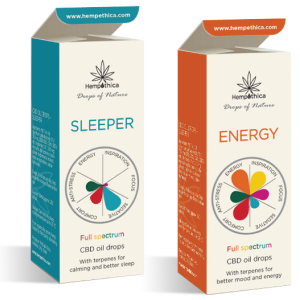
Self-medication with cannabis and cannabinoids
More than 140 different cannabinoids are already known in the world. Cannabinoids present in plants are called phytocannabinoids, and our body also produces cannabinoids only through the endocannabinoid system, which is one of many systems in the body, and takes care of balance or homeostasis in the body. The changes that take place in the environment affect our well-being, and our body responds to it in different ways. When our body is out of balance, our endocannabinoid system responds and tries to bring the body back into balance. Phytocannabinoids help us with this.
A recent study, which was published in the journal Remedy Review, showed that the 547 surveyed parents of children with autism, more than 40% of parents their children as an aid in the treatment was added as cannabinoids. These parents claimed that it helps with impulsivity and short attention span, hyperactivity, aggression, sleep problems, and other ASD-related symptoms. Cannabinoids have been found to significantly reduce the frequency of seizures in children with Lennox-Gastaut syndrome. It is also one of the few diagnoses for which the US Food and Drug Administration - FDA has approved the use of cannabidiol as an aid to treatment.
With more and more research showing that cannabinoids can and really help alleviate many of the symptoms associated with conditions such as autism, it’s no surprise that those who have experienced it first-hand will confirm their positive experiences. Word-of-mouth recommendations usually carry a lot of weight and can be of great help to families looking for relief that goes beyond the traditional recipe.
Resources:
https://www.institut-icanna.com/si/blog/50/Mi-vam-ne-znamo-pomagati-in-vam-ne-dovolimo-da-si-pomagate-sami
https://sl.wikipedia.org/wiki/Avtizem
https://www.healthline.com/health/autism
https://www.cdc.gov/ncbddd/autism/data.html
https://www.healthline.com/health-news/parents-using-cbd-to-treat-kids-with-autism
https://www.remedyreview.com/data/autism-and-cbd/
Don't miss it

Advice on the use of cannabinoids
In our company we offer consulting in the field of cannabinoids, terpenes, hemp, essential oils and possible uses. Cannabinoids have already helped many people, but for the best results, a holistic treatment is necessary and meaningful.
 Can epilepsy be treated with the support of cannabis products?
 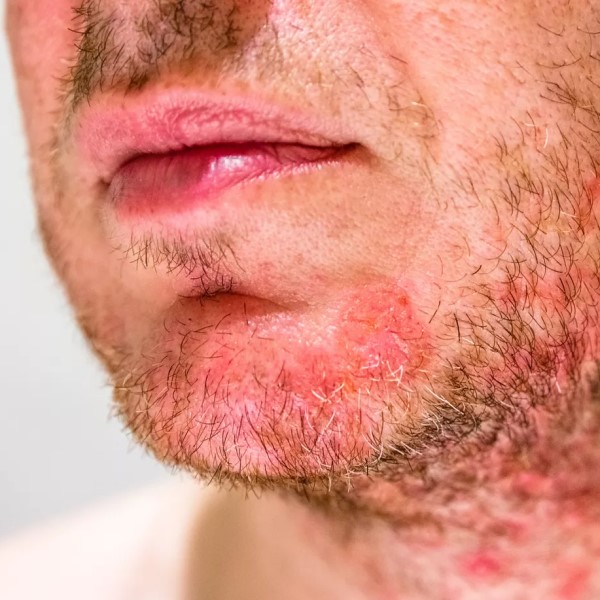 Seborrheic dermatitis, cannabis and cannabinoids