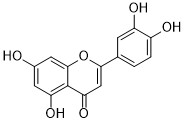
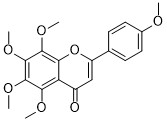
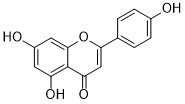
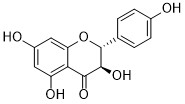

What are flavonoids?
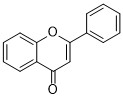
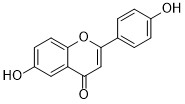
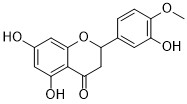
Flavonoids are the third group of compounds present in cannabis and are secondary plant metabolites. More than 5,000 of them have been discovered and researched worldwide. We divide them into flavonoids, isoflavonoids and neoflavonoids. They are best known for their antioxidant properties or action. Most flavonoids are biological or. of natural origin, which is why they are also called bioflavonoids.
Flavonoids are plant pigments and give color to flowers and fruits. Red, yellow and blue are characteristic and are derived from various flavonoids, while protecting the plant from microbes and insects. Due to their potential healing effects, flavonoids have become of interest to consumers and the food industry as they have anti-allergic, anti-inflammatory, antimicrobial and anticancer effects.
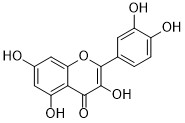
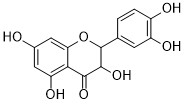
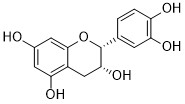
Flavonoids are consumed and ingested mainly with large amounts of fruits and vegetables. Quercetin and epicatechin are among the most important. Quercetin has been found to be the most active flavonoid of all in studies, while epicatechin has been found to improve blood flow and thus have a positive effect on the cardiovascular system.
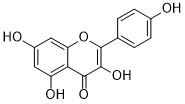
Flavonoids are found mainly in citrus fruits, berries, onions, legumes, tea, red wine and dark chocolate. Hesperidin, quercetin, rutin and tangerine are mainly present in citrus fruits. Green tea contains kaempferols and catechins, which have a potential antioxidant effect and scavenge free radicals. Red grape skins are a rich source of flavonoids and other polyphenols (razveratrol).
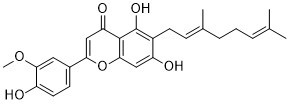
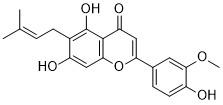
The unique flavonoids that are characteristic and found only in cannabis are cannaflavins. There are several different ones, the best known and represented being cannaflavin A and cannaflavin B.


Don't miss it
Most read content and posts on Blog
We invite you to read other content and posts in the field of cannabis, cannabinoids, terpenes and self-medication to help relieve pain, depression, fibromyalgia, etc.


Growing and processing of hemp to get final products
Terpenes and their "Entourage" effect with cannabinoids