


Incontinence
Urine leakage is an unpleasant nuisance that mainly affects women, although men are not "immune" to this problem, which can occur at different ages. It is estimated that the disease affects about 30% of the female population.
Talking about these problems has always been a taboo topic that is not exactly desirable, as most find it difficult to talk about symptoms and problems and share experiences out of shame.
We know several types of diseases, which are professionally called incontinence, and are divided into stressful, urgent, mixed urinary incontinence and overactive bladder. There are several different causes, but the most common cause is attributed to improper connections between the bladder and vagina, which can result from major surgery or radiation in cancer patients. Factors that further weaken the support of the urethra and thus cause it to move excessively cause urinary incontinence.
The results of research show that the incidence of incontinence is more common in women who have given birth several times or. gave birth to children with higher body weight, are less active in sports, in older women and in those who performed heavier physical work. In men, the phenomenon is more common in people with severely enlarged prostate.
- Urgent urinary incontinence is a condition of involuntary leakage of urine and occurs at a time when we feel a strong urge to urinate.
- Stress urinary incontinence (SUI) is a condition where urine is constantly leaking and occurs with bloating, coughing, sneezing, or excessive exertion.
- Mixed urinary incontinence is a combination of stress and urge incontinence and is manifested by signs that are characteristic of both forms.
- An overactive bladder is a syndrome or condition that manifests itself in an increased frequency of urination and is usually associated with urgent urinary incontinence.
Treatment of urinary incontinence
In conventional medicine the drugs that would treat urinary incontinence are so far not developed. Medicines for the treatment of SUI are not registered in Slovenia because they are not effective.
There are several methods of alternative therapies that include methods of lifestyle change, behavioral therapy, pelvic floor muscle physiotherapy, and so on. Among the more invasive methods is the insertion of non-tension strips. Some people prefer milder methods, some more invasive methods of treatment, and some people get used to and learn to live with the disease. Reducing excess weight certainly relieves symptoms, the same goes for pelvic floor muscle training and bladder training, which includes urinating on a schedule that can help increase the bladder.
Self-treatment with cannabis and cannabinoids
Cannabinoids, the active ingredients in cannabis, may cause a wide range of central and peripheral effects, some of which might have clinical use. The discovery of specific cannabinoid receptors (CB1 and CB2) has attracted much attention to the general pharmacology of cannabinoids. In a 2010 study, Tyagi and colleagues showed that cannabinoids could treat diseases that affect the lower urinary tract. Local action of a CB agonist in the bladder may include action on receptors on peripheral nerves and indirect modulation of immune cell responses that reduce peripheral nerve irritability. Over the last decade, several studies have examined the effects of cannabinoids. Some believe that orally ingested CBD can affect the signaling function of the bladder and brain. Several research studies have found that the body is made up of the cannabinoid receptors CB1 and CB2. These receptors are found throughout the body, including the bladder. Both receptors act on the detrusor muscles at different levels. In fact, most of the efforts of many researchers now focus on finding evidence that these receptors affect urination, which would lead to the development of cannabinoid drugs in this area.
The constant search for therapeutic strategies based on cannabinoids that do not have psychotropic effects can be supplemented by topical intravenous delivery to the bladder. Greater understanding of the role of the peripheral receptor system CB1 and CB2 in the lower urinary tract is needed to allow the development of a new treatment for pelvic disorders.
Resources:
https://www.urologyhealth.org/urology-a-z/o/overactive-bladder-(oab)
https://www.nijz.si/sites/www.nijz.si/files/uploaded/skuk_et_al._jz_2020_12.pdf
http://www.drmed.org/wp-content/uploads/2014/06/X-88.pdf
https://medlineplus.gov/urinaryincontinence.html
https://www.ncbi.nlm.nih.gov/pmc/articles/PMC2878434/
https://pubmed.ncbi.nlm.nih.gov/29052091/


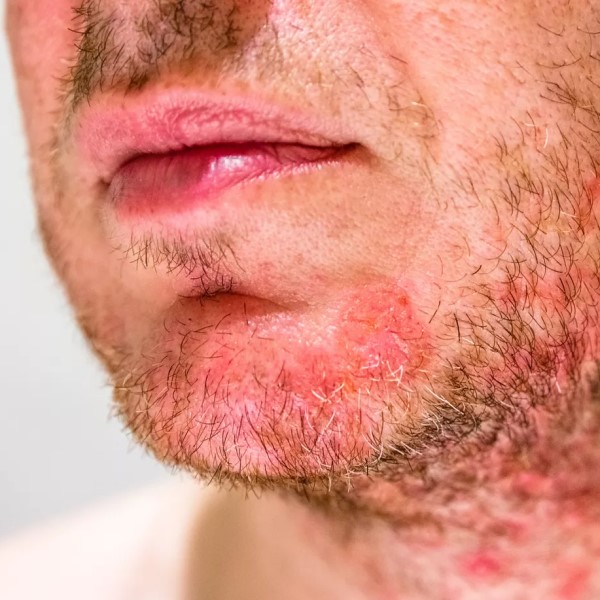 Seborrheic dermatitis, cannabis and cannabinoids
  Immune system and cannabinoids - what is the connection?